Entry · Ref I3Z3ESNY
Tree Removal Metairie: Key Safety Standards Every Company Should Follow
- Posted
- 2026-10-27
- Last amended
- 2026-10-27
- Account
- @rylankjuw740
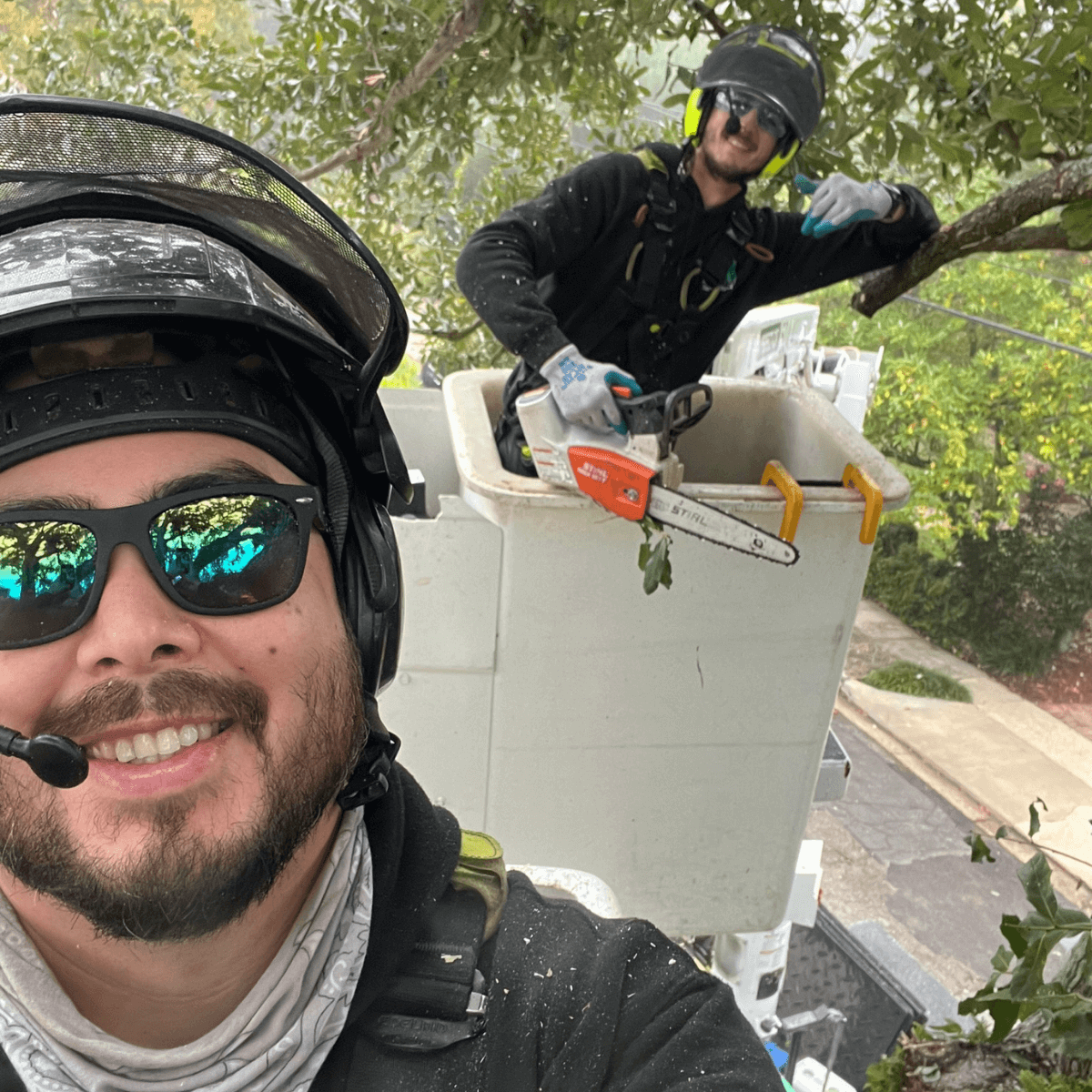
Tree work looks deceptively simple from the curb. A truck pulls up, a crew unloads ropes and saws, branches come down, and by late afternoon the yard is clear. What most people do not see is how narrow the margin for error can be. A healthy-looking limb can be hollow. A leaning trunk can twist under load. One misplaced cut can send thousands of pounds in the wrong direction.
That is why safety standards matter so much in tree removal, especially in a place like Metairie. Local properties often sit close together. Fences, roofs, driveways, sheds, service lines, and neighboring yards leave very little room for uncontrolled movement. Add Gulf Coast weather, saturated soil, storm-damaged wood, and mature live oaks with long lateral limbs, and the work quickly becomes more technical than many homeowners realize.
If you are hiring a company for tree removal Metairie services, the right question is not just, “Can they take the tree down?” Plenty of crews can cut wood. The better question is, “Do they have a safety system strong enough to protect people, structures, and the trees that should remain?” A professional operation should be able to answer that clearly through its habits, training, equipment, and jobsite discipline.
Why safety standards are not optional in Metairie
South Louisiana creates its own set of challenges. Heavy rain softens root zones. Hurricane season leaves cracked unions, hanging limbs, and trees that look stable until weight shifts. Humidity speeds decay in old wounds and cavities. On many residential streets, large shade trees were planted decades ago, long before every lot had expanded patios, detached garages, and a web of utilities crossing overhead.
That combination changes how a responsible company approaches removal. A crew cannot simply show up and “figure it out.” They need a plan for drop zones, rigging points, traffic flow, debris handling, and emergency response before the first cut is made. The safest companies in Metairie spend more time reading the tree than homeowners expect. That is not delay. That is the work.
I have seen jobs where the correct call was to spend an extra hour setting rigging because a side yard was too narrow for free-falling sections. I have also seen crews decline to climb a storm-damaged tree until a crane could be arranged, because the trunk fibers were compromised and the hinge wood could not be trusted. Those decisions cost time and money in the short term, but they prevent the kind of loss that follows a rushed removal.
The first standard, a real site assessment before any cutting starts
Every safe removal begins with inspection. That means more than glancing up from the driveway. A qualified crew leader should evaluate the tree species, overall lean, canopy balance, deadwood load, trunk defects, root plate stability, and nearby targets. They should also look at weather, wind direction, ground conditions, and access routes for equipment.
This matters because trees fail in different ways. A broad live oak may hold together through massive weight shifts, while a decayed water oak can shear unexpectedly. A pine can barber-chair if cut improperly. A storm-split trunk may look intact from one angle and be one vibration away from separation from another. Good companies treat each tree as a structure under tension, not as a generic object to dismantle.
On tighter Metairie lots, the site assessment should extend beyond the tree itself. Crews need to identify septic systems, irrigation lines, overhead conductors, service drops, decorative hardscape, and any parts of the yard that will not support heavy equipment. A backyard that looks accessible after a dry week can become a rutting hazard after one hard rain. If the company is not asking these questions, they are missing a major part of the risk picture.
Clearance from power lines changes everything
One of the most important dividing lines in tree work is utility proximity. Branches over a roof are one thing. Branches within striking distance of energized lines are another. Any legitimate tree service should know where its limits are.
If a tree is entangled with or dangerously close to utility lines, the crew should coordinate with the appropriate utility or bring in professionals specifically qualified for that level of line-clearance work. This is not an area for improvisation. Electricity can arc. A branch does not need to land directly on a wire to create a deadly event. Wet ropes, metal tools, ladders, and conductive debris add even more risk.
Homeowners sometimes misread confidence as competence here. A worker who says, “We’ll just be careful around the line,” is not reassuring. A safer answer sounds more like, “We need clearance confirmation, a revised work zone, and possibly utility involvement before we proceed.” That answer may feel slower, but it reflects sound judgment.
Training should be visible, not just claimed
Many companies advertise experience. Fewer can explain how they train crews to handle changing field conditions. Experience matters, but unmanaged experience can turn into overconfidence. Strong safety culture shows up in routine behavior.
Watch the first fifteen minutes on site and you will learn a lot. Does the crew hold a brief job meeting? Does someone identify hazards out loud? Are roles assigned clearly? Does the climber inspect gear before leaving the ground? Are bystanders redirected before saws start? These are small moments, but they reveal whether the company works from a system or from habit.
The best crews I have watched are rarely theatrical. They do not need to look flashy because they are precise. Commands are short and consistent. Rope management is deliberate. Everyone understands where not to stand. When something changes, a snagged limb, a shifting top, a sudden gust, the pace slows rather than speeds up. That self-control is one of the clearest signs of professionalism.
Personal protective equipment is a baseline, not a selling point
A company should never treat protective gear as proof of excellence. It is the minimum standard. That said, the absence of proper gear tells you a great deal about the rest of the operation.
At a minimum, tree workers should be using helmets appropriate for the job, eye protection, hearing protection, chainsaw-resistant leg protection where the task calls for it, and gloves and footwear suited to climbing or ground operations. Climbers should use properly maintained harnesses, lanyards, and life-support systems. Ground crews working near active cutting zones should not be dressed like they are doing light yard cleanup.
The details matter here. A hard hat tossed in the truck does not help if no one is wearing it. Chaps lying folded on a tailgate do not count as chainsaw protection. Ear protection matters more than many crews admit, because fatigue and hearing loss affect communication, and communication is a safety issue on every removal.
Equipment condition tells the truth
You can learn a lot from a company’s ropes, saws, rigging hardware, and truck organization. Worn gear is not always unsafe, because some professional equipment shows use long before it reaches retirement. Neglected gear is a different story.
Rigging lines should not show obvious glazing, fraying, or contamination. Carabiners and pulleys should operate smoothly. Chainsaws should be maintained well enough that workers are not fighting dull chains, leaking fuel, or unreliable starts in the middle of a removal. Trucks and chippers should be positioned with tree removal metairie intention, not left haphazardly where they squeeze the work zone or force workers into blind spots.
The same applies to ladders and aerial lifts. Inexperienced companies often reach for a ladder when they should be rigging, climbing with proper tie-in, or using a bucket. A ladder has limited usefulness in advanced tree removals and can create a false sense of control. Safe crews choose access methods based on the tree, not on convenience.
Rigging is where good crews separate themselves
Most property damage in residential tree removal does not come from dramatic total failures. It comes from ordinary sections moving farther or faster than expected. That is why rigging skill matters so much in suburban work.
When there is limited drop space, branches and trunk sections should be lowered under control, not simply cut and hoped for. A proper rigging plan accounts for rope angles, anchor strength, expected loads, swing paths, and the force transferred to the remaining tree. This tree removal metairie is not guesswork. Wood weight adds up fast. A log section that seems manageable from the ground can exceed several hundred pounds, especially when green and water-heavy.
A well-run crew avoids shock loading whenever possible. They do not let pieces free-fall into a hard catch if a smoother lower is available. They communicate before every cut. The ground worker handling the line is not distracted by brush dragging or side conversations. In tight Metairie neighborhoods, where one bad swing can crush a fence or corner of a roof, those details make the difference between a controlled removal and an insurance claim.
Traffic and pedestrian control deserve more attention than they get
Not every risk is in the tree. On streets with frequent foot traffic, parked cars, delivery vehicles, and school pickup patterns, the perimeter matters. A branch can miss a house and still injure a passerby or damage a vehicle if the work zone is poorly controlled.
A competent company sets a clear buffer around the operation. That includes cones, signs when needed, and active control of sidewalks, driveways, and any neighboring access points that fall within range. On some jobs, a spotter should do nothing but watch for movement into the hazard area.
This is especially important when removals run near the front lot line. Homeowners often assume the truck itself creates a visible boundary. It does not. People will still try to walk around it, retrieve mail, back out of driveways, or stop and watch. A crew that plans for human behavior is far safer than one that gets annoyed by it.
Weather judgment is part of the safety standard
South Louisiana weather changes quickly. A calm morning can become gusty by midday. Heat can wear crews down faster than expected. Afternoon rain can turn stable footing into slick clay in minutes. Safe companies do not treat weather as an inconvenience. They treat it as an active variable.
Wind is the obvious issue, but not the only one. Heat stress causes sloppy movement, missed signals, and poor cutting decisions. Wet bark affects climbing security. Lightning risk can shut down a job entirely. I have seen crews make the right call and postpone a removal even after arriving on site, because a leaning storm-damaged tree was simply too unpredictable under changing wind. That is frustrating for everyone, but it is still the correct call.
Any company offering tree removal Metairie services should be comfortable explaining when it will stop work, not just when it will start.
Stump grinding and cleanup have safety standards too
Homeowners often focus on the takedown and forget the last third of the job. That is a mistake. Cleanup and stump work create their own hazards.
Chipper feeding should be controlled, with one operator managing the infeed zone and others staying clear. Brush piles should not block escape paths or force workers into awkward carrying routes. Sawyers bucking down wood on the ground should account for tension, compression, and rolling movement. The fatigue factor is real by this stage of the day, and that is often when shortcuts creep in.
Stump grinding introduces flying debris, underground utility concerns, and public exposure if the stump is near a sidewalk or drive. A careful company checks for buried lines, sets shielding where needed, and leaves the site in a condition that does not create a trip hazard after they leave. If the yard looks tidy but hidden hazards remain, the job is not truly complete.
Insurance matters, but it is not the whole story
Homeowners should absolutely ask about insurance. Liability coverage and workers’ compensation are foundational protections. Still, insurance alone does not make a company safe. Some poorly managed crews are insured. Some careful crews are exceptionally careful because they know insurance is a last resort, not a plan.
What you want is a company whose operating habits suggest that claims are the failure they work every day to avoid. If the salesperson talks about being insured but cannot speak intelligently about site planning, rigging, utility setbacks, or crew communication, keep asking questions.
Here is a short set of questions worth using before you sign an estimate:
- How will you control the drop zone and keep people out of it?
- What is your plan if the tree has hidden decay or storm damage once work begins?
- How do you handle jobs near service lines or utility lines?
- Will sections be free-dropped or rigged down, and why?
- Who is supervising the crew on site?
A serious company should answer those without hedging. Not with rehearsed sales language, but with specifics tied to your property.
Warning signs that deserve a second look
Sometimes the red flags are obvious. Sometimes they are subtle. Homeowners tend to focus on price and schedule, which is understandable, but a few small details can save a great deal of trouble later.
Watch for these signs during the estimate or on the first day of work:
- The company gives a price without closely inspecting the tree and surrounding targets.
- The crew cannot clearly explain how they will protect nearby structures.
- Workers arrive without basic protective gear or appear to borrow key equipment from each other.
- The plan changes casually when obstacles appear, with no pause for reassessment.
- The company dismisses concerns about power lines, neighbors, or weather.
None of these automatically guarantees a bad outcome, but together they often point to weak safety culture.
The best standard is restraint
One trait separates truly professional tree companies from merely aggressive ones. It is restraint. Safe crews are willing to slow down, reset rigging, reposition equipment, or stop the job entirely when conditions demand it. That discipline is hard won. It usually comes from experience, but from the right kind of experience, the kind that teaches respect for force, not false bravado.
Metairie homeowners often call tree services after storms, during insurance deadlines, or when a large declining tree has become urgent. Those are stressful situations. The pressure to “just get it done” can be intense. Yet urgency is exactly when standards matter most. A rushed removal beside a house, over a driveway, or near utilities is where preventable mistakes happen.
The companies worth hiring do not rely on luck. They rely on planning, communication, maintenance, and judgment. They understand that every removal is a controlled dismantling of a living structure under load. That mindset protects crews, clients, and property. It also protects the trees that stay, because careful operators do less collateral damage to roots, lawns, surrounding canopy, and soil.
When you evaluate a provider for tree removal Metairie work, look past the truck graphics and the lowest bid. Look at how they think. Ask how they manage risk. Notice whether they talk about the tree, the site, the weather, the people, and the contingencies with equal seriousness. In this trade, safety is not a slogan. It is the actual work.
A Perfect Cut Tree Service
4725 Shores Dr, Metairie, LA 70006
+1 504-732-0779
FAQ About tree removal metairie
What is the average cost of tree removal in my area?
There is no single price that fits every tree. Size, condition, access, nearby structures, equipment, debris hauling and stump work affect the estimate. Request a written, site-specific quote that identifies what is included.
Who will remove trees for free?
Free removal is not generally available for ordinary private-property tree work. Utilities or public agencies may handle trees within their responsibilities. Confirm eligibility directly and do not assume that an offer or assistance program covers your tree.
Can I just cut down a tree in my yard?
Check ownership, location and local requirements first. Jefferson Parish requires a permit for removal of qualifying vegetation in the public right-of-way, and additional protections may apply in designated areas. Ask the parish about your property and have a qualified tree professional assess the work.