Entry · Ref PVR_RLSC
What to Look for in Reviews of Tree Removal Metairie Companies
- Posted
- 2026-10-27
- Last amended
- 2026-10-27
- Account
- @rylankjuw740
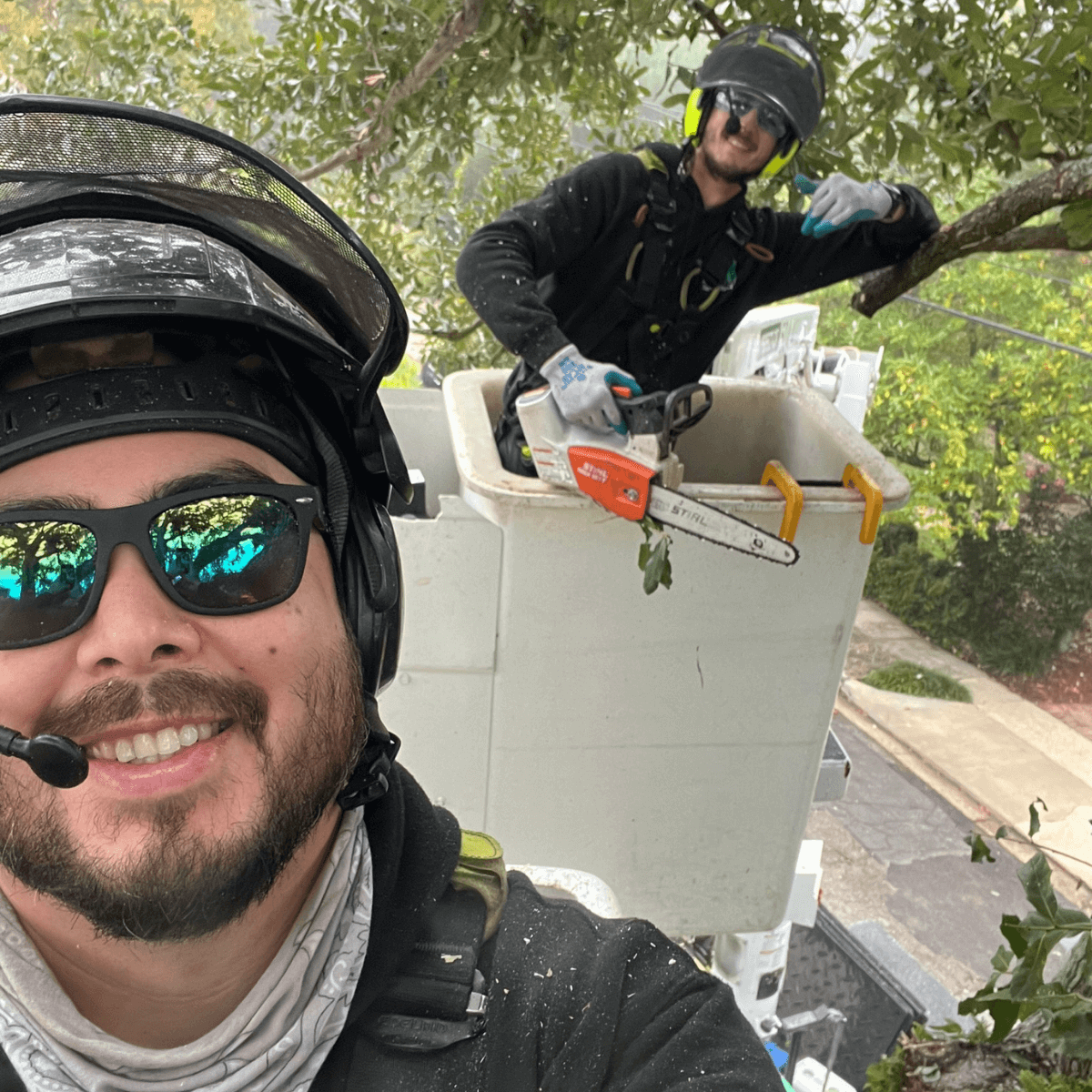

When a tree needs to come down, reviews can either save you from a costly mistake or steer you straight into one. That is especially true in a place like Metairie, where mature oaks, tight property lines, frequent storms, and saturated soil create very specific risks. A glowing five-star average looks reassuring until you realize those ratings came from people who had a simple trim on an open lot, not a full removal over a driveway, fence, roofline, or power service.
The problem is not that online reviews are useless. It is that most people read them too quickly. They scan the star count, read the first few comments, and assume they have enough information. In practice, the best reviews are the ones that reveal how a company behaves when the job is complicated, weather gets in the way, access is limited, or something unexpected happens. Tree work exposes skill gaps fast. So do customer expectations.
If you are comparing options for tree removal Metairie homeowners commonly need after storms, disease, root damage, or construction concerns, it helps to know what meaningful feedback actually looks like. The strongest reviews do more than say a crew was “great” or “professional.” They give you clues about safety habits, communication, cleanup standards, price transparency, and whether the crew understood the kind of tree and property conditions common in southeast Louisiana.
Start with the details, not the star rating
A high rating matters, but it should not be your first filter. Detailed reviews are far more useful than generic praise. Someone writing, “They removed a large live oak hanging over our detached garage and coordinated with the utility company because the limb was near the service line,” tells you something real. Someone writing, “Amazing service, highly recommend,” tells you almost nothing.
Look for reviews that answer practical questions. What kind of tree was removed? How large was it? Was the tree close to a home, pool, fence, or neighboring yard? Did the crew use a crane, climbing gear, or bucket access? Was stump grinding included, or did that cost extra? Did the company show up when promised? Was the property left clean enough that the homeowner did not spend the evening dragging limbs to the curb?
Specificity matters because tree removal is not one service. Removing a dead crepe myrtle from a front bed is not the same as dismantling a storm-split oak over a carport in a narrow suburban lot. Reviews that explain the setting help you judge whether the company has experience that matches your own job.
There is another layer here. Reviews that mention the condition of the tree can be revealing. If several customers mention diseased trunks, hollow sections, leaning trees, or root upheaval after heavy rain, and the company handled those issues carefully, that suggests field experience rather than basic labor. Metairie properties often have drainage quirks, shallow root spread, and structures packed fairly close together. A company that works cleanly in those conditions is worth noticing.
Pay close attention to how reviewers describe safety
The best tree removal companies do not just finish jobs. They control risk while doing it. Reviews often give away whether that happened.
A homeowner may not know every technical standard, but they can usually tell whether a crew appeared organized and careful. Reviews that mention roped-off work areas, deliberate branch lowering, protective mats on lawns, coordinated spotting, and a supervisor actively directing the work tend to be more useful than broad compliments. Safety shows up in behavior.
You should also read between the lines. If a reviewer says the crew “worked fast,” that can be positive, but speed alone means little. Fast and disciplined is good. Fast and reckless is not. The most reassuring comments usually mention both efficiency and control. A good review might describe a job moving quickly without debris scattered across the yard, without workers improvising, and without limbs crashing where they should not.
Some of the most honest reviews are the ones that describe difficult removals. For example, a customer might explain that a tree was hanging toward a roof after a storm, and the company refused to rush until the site was properly assessed. That kind of review carries weight. It suggests the company values safe execution over easy promises.
One sign I always consider is whether reviews mention what the crew would not do. If a customer notes that the company declined to remove limbs too close to energized lines until the utility issue was addressed, that is not a red flag. It is often the opposite. Good contractors know where their responsibility ends and where another safety protocol begins.
Look for consistency across many reviews
One strong review can be luck. Ten reviews that all mention the same strengths are a pattern.
Patterns matter more than personality. Every company will eventually get a vague complaint or an emotional customer. What you want to know is whether the same points come up repeatedly. Maybe customers keep mentioning that estimates were clear, crews arrived on schedule, and cleanup was excellent. That is valuable. On the other hand, if multiple reviews mention surprise charges, damaged turf, poor follow-up, or days of delay without communication, believe the pattern.
Recency matters too. A company may have built a good reputation years ago and then changed ownership, lost experienced workers, or taken on too much volume after storm season. Focus on the last six to twelve months first, then zoom out for longer-term consistency. If reviews were strong for years and suddenly turned uneven, that shift deserves attention.
A useful way to read reviews is to compare the middle range, not just the extremes. Five-star and one-star comments are often emotionally charged. Three-star and four-star reviews frequently contain the best information because they tend to explain both what went well and what did not. A reviewer who says, “The removal was done correctly and the crew was courteous, but the office did not return calls quickly,” gives you a realistic picture of the company’s strengths and weak spots.
The best reviews talk about communication before, during, and after the work
Most complaints in tree removal are not about chainsaws. They are about communication.
A company can do technically sound work and still leave a bad impression if nobody explains timing, scope, access needs, or cleanup expectations. Reviews that describe strong communication are often a better predictor of a smooth experience than reviews that only praise the final result.
A particularly useful review will tell you whether the estimate matched the work performed. Did the homeowner know in advance whether haul-off was included? Were they told if the stump would remain above grade unless grinding was added? Did someone explain whether heavy equipment might leave ruts if the yard was wet? Did the company discuss permit questions if they applied in that situation? Even when permit requirements vary by location and job specifics, a thoughtful contractor should at least raise the issue if it is relevant.
Watch for signs that the company sets realistic expectations. If reviews repeatedly say, “They explained that storm work would push the timeline back a few days, but kept us updated,” that is a positive sign. Silence is what frustrates people. Reasonable delays usually do not.
The same applies after the work is done. If a reviewer mentions that the company came back to address a missed branch, touch up cleanup, or check a concern about the stump, that tells you a lot. Tree removal is physical, messy work. Small follow-up issues happen. The real test is how the company handles them.
Cleanup comments are more important than many homeowners realize
Cleanup separates average crews from polished ones. Tree removal leaves behind sawdust, chips, twigs, log rounds, disturbed soil, and sometimes minor property impact if the site is tight. Reviews that describe the condition of the property afterward can be incredibly revealing.
A good cleanup review does not need to sound dramatic. It might simply say that the crew raked thoroughly, blew off hard surfaces, stacked firewood where requested, and hauled away debris without leaving stray brush in flower beds. That is meaningful because cleanup reflects discipline. Sloppy finish work often hints at sloppy process elsewhere.
There is also a practical reason to care. In neighborhoods with compact lots, debris control matters to more than one homeowner. If reviews mention branches left near a neighbor’s fence, tire marks not discussed in advance, or blocked driveways without notice, take that seriously. Those are signs of a company that may not manage residential job sites well.
At the same time, use common sense. Large removals can temporarily disturb a lawn, especially after rain. A review that complains about every minor mark may be unfair if the company had already tree removal metairie explained the trade-off. The best comments usually note whether site effects were expected and communicated beforehand. That distinction matters.
Read complaints carefully, not defensively
Negative reviews should not automatically disqualify a company. In tree work, some friction is inevitable. Weather changes schedules. Hidden decay changes the scope. Homeowners and contractors sometimes hear different things in the estimate conversation. The question is not whether complaints exist. The question is what kind they are.
Here are the complaint themes that deserve the closest attention:
- unexplained price changes after work begins
- repeated no-shows or long delays without updates
- property damage followed by denial or avoidance
- unsafe work near structures, fences, or utilities
- incomplete cleanup or scope disputes that were not resolved
These issues go beyond personality conflicts. They point to process failures.
Now compare that with complaints that may be less alarming in context. A customer upset about a short delay during a week of severe storms is not the same as a customer reporting three missed appointments with no communication. A homeowner unhappy that stump grinding was extra is not necessarily exposing dishonesty if that option was clearly priced separately. tree removal metairie Reviews need context.
One thing that often helps is checking whether the company responds, and how. A professional response does not need to be long. It should be calm, specific, and respectful. If a business responds to criticism by getting combative, blaming the customer, or sounding evasive, that tells you something. If they acknowledge the issue and explain how they handled it, that is more encouraging.
Storm-response reviews deserve their own standard
Metairie homeowners often search for tree services after high winds, heavy rain, or hurricane-season damage. Reviews from those periods should be read differently than routine service reviews.
Storm-response work puts pressure on every part of a company. Phones ring nonstop. Crews work long hours. Access can be difficult. Demand spikes. Under those conditions, a review that says a company arrived when promised, secured a dangerous tree, and prevented further property damage carries real weight. It suggests the business can function under stress.
That said, storm urgency can also expose bad habits. Reviews that mention vague pricing, cash-only pressure, rushed assessments, or promises that sound too good to be true deserve caution. After major weather events, some companies overbook or take jobs beyond their capacity. Reviews written during those windows often reveal who stayed organized and who did not.
If your need is urgent, read for triage capability. Did the company know how to stabilize the problem first, then return for full removal if necessary? That is often the right approach when a tree is partially failed but not safe to dismantle immediately. Reviews that describe this kind of judgment are much more useful than simple praise about “quick service.”
Local knowledge shows up in small details
One of the most valuable things in reviews of tree removal Metairie companies is evidence of local familiarity. The best contractors understand not just trees, but the setting those trees grow in.
Metairie has neighborhoods with mature canopy, narrow side yards, older slabs, overhead utility constraints, and drainage conditions that can make access tricky. Reviews that mention careful maneuvering around those realities are worth your time. A crew that regularly works on open rural properties may not be the best fit for a dense residential block where every branch swing matters.
Sometimes local knowledge appears in passing. A reviewer may mention that the estimator recognized storm-stressed root systems in a saturated yard, or recommended delaying heavy equipment for a day so the lawn would not be torn up unnecessarily. Another might note that the company understood how to protect adjacent paving or irrigation in a tight front yard. Those details are easy to overlook, but they often separate seasoned local operators from general labor outfits.
You may also find clues in how reviewers describe species-specific work. Comments involving large water oaks, live oaks, pines, or older ornamentals can be useful because each presents different removal challenges. No review needs to sound like an arborist report, but evidence that the crew respected the tree’s size, lean, decay pattern, or branch spread is a good sign.
Photos in reviews can tell you what words miss
A written review may praise a company’s professionalism, but photos often show what that actually meant. Before-and-after images can reveal whether a company worked in confined spaces, used proper rigging, protected surfaces, and cleaned up thoroughly.
Look at the ground as much as the tree. Is the lawn shredded? Are large trunk sections dropped carelessly? Do photos show clean sectional dismantling, or a chaotic site with debris scattered everywhere? Pictures are not perfect evidence, but they help verify whether the written description matches the actual work.
Be careful, though, not to overread polished marketing-style photos posted by the company itself. Customer photos tend to be more honest. A blurry image taken from a front porch can tell you more than a staged promotional shot.
Reviews should match what the estimate and credentials suggest
A review is only one piece of the decision. It should align with what you learn elsewhere. If the reviews repeatedly praise professionalism, but the estimate is vague, the paperwork is thin, and nobody can clearly explain the scope, trust the inconsistency. If reviews emphasize safe, careful work and the estimator walks your property methodically, asks smart questions, and explains potential complications, that is a better match.
Use reviews to confirm, not replace, your own judgment.
This is where experience shows up. Homeowners often focus on price first because tree removal can be expensive. And fair enough, it can run from manageable to significant depending on tree size, access, equipment needs, hazard level, and disposal scope. But a lower bid paired with weak reviews about damage, missed appointments, or poor cleanup can become the highest-cost option in the end.
A strong review profile should support the basics you already need to verify, such as insurance, scope clarity, and whether the company seems equipped for your specific removal. Reviews are most useful when they connect those formal qualifications to actual behavior on job sites.
A quick way to separate useful reviews from empty ones
If you want a simple filter, ask whether a review helps you imagine your own project more clearly. The good ones usually do. They mention the problem, explain how the company handled it, and describe the result in concrete terms.
The less useful ones tend to be all feeling and no substance. That does not mean they are fake. It just means they do not give you enough to work with.
When I read reviews for service companies in high-risk trades, I look for five things in the story the customer tells:
- what kind of tree or hazard was involved
- how the company communicated expectations
- whether the crew worked in a controlled, safe way
- how pricing and scope were handled
- what the property looked like when the job was finished
If a review touches at least three of those, it is usually worth your attention.
The smartest readers look for judgment, not just compliments
Tree removal is one of those services where judgment matters as much as effort. Plenty of crews can cut wood. Fewer can read tension correctly, protect surrounding structures, communicate clearly, and keep a messy job from becoming an expensive one.
That is why the most valuable reviews are not the loudest or the most flattering. They are the ones that reveal decision-making. Did the company take time to assess? Did they explain trade-offs? Did they respond well when the job changed? Did they leave the homeowner feeling informed rather than managed?
Those are the reviews that tell you whether a company is prepared for real residential tree work in Metairie.
If you read with that standard, you will notice something interesting. The strongest companies are often praised for ordinary things done exceptionally well. They answer the phone. They show up when they say they will. They explain what is included. They keep the site controlled. They clean up properly. They do not make a difficult removal feel casual, and they do not make a routine one feel confusing.
That is what you want from reviews, and ultimately from the company behind them.
A Perfect Cut Tree Service
4725 Shores Dr, Metairie, LA 70006
+1 504-732-0779
FAQ About tree removal metairie
What is the average cost of tree removal in my area?
There is no single price that fits every tree. Size, condition, access, nearby structures, equipment, debris hauling and stump work affect the estimate. Request a written, site-specific quote that identifies what is included.
Who will remove trees for free?
Free removal is not generally available for ordinary private-property tree work. Utilities or public agencies may handle trees within their responsibilities. Confirm eligibility directly and do not assume that an offer or assistance program covers your tree.
Can I just cut down a tree in my yard?
Check ownership, location and local requirements first. Jefferson Parish requires a permit for removal of qualifying vegetation in the public right-of-way, and additional protections may apply in designated areas. Ask the parish about your property and have a qualified tree professional assess the work.